
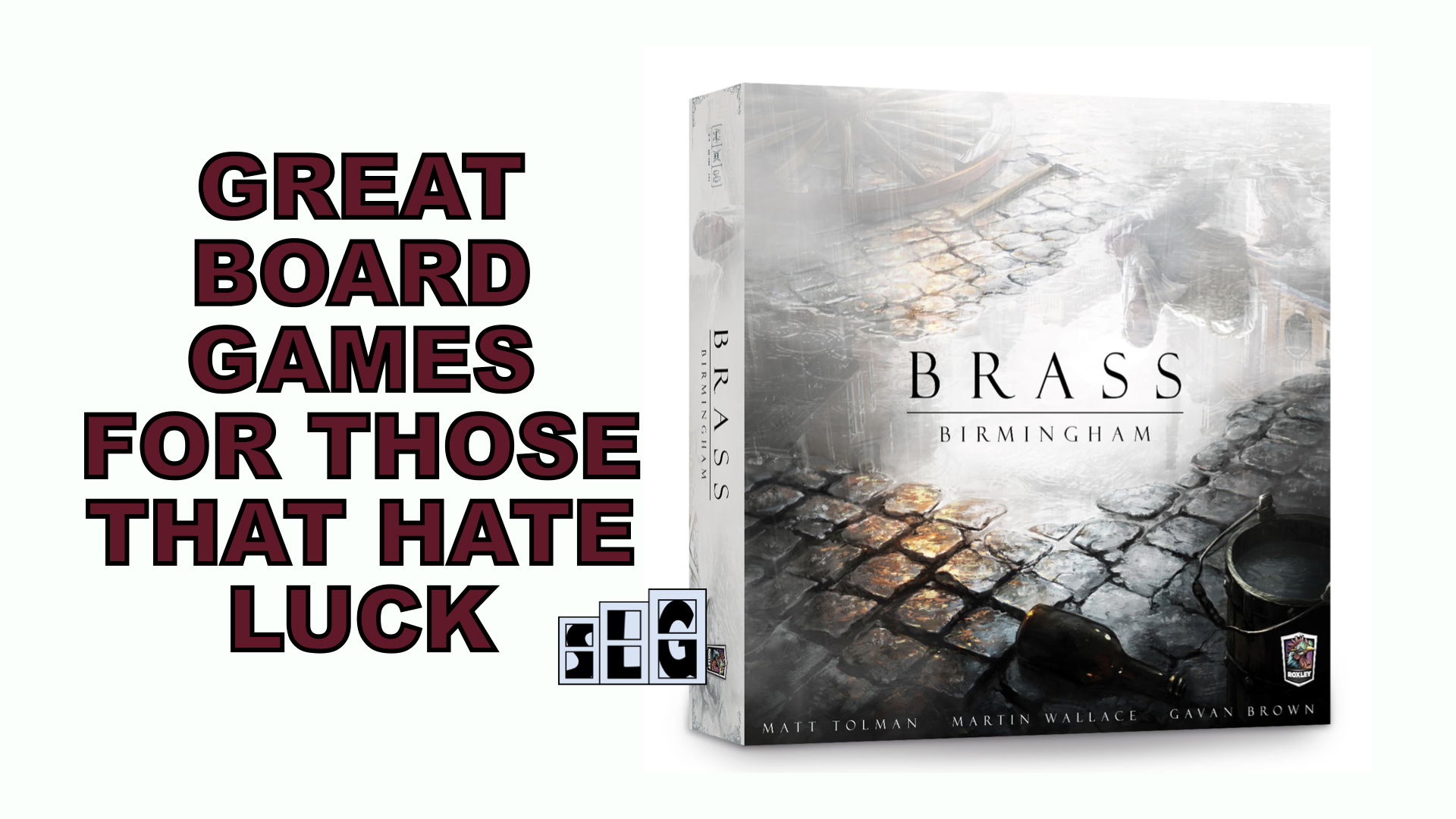
Some players love dramatic dice rolls.
Others want every win to feel earned.
If you hate losing because of a bad draw—or winning because you got lucky—these games are for you. The games below minimize randomness and reward long-term planning, positional play, and smart decision-making.
Luck isn’t completely gone (almost no game can do that), but in these games, skill overwhelms chance.
Chess – One of the Top Classic Skill Over Luck Board Games
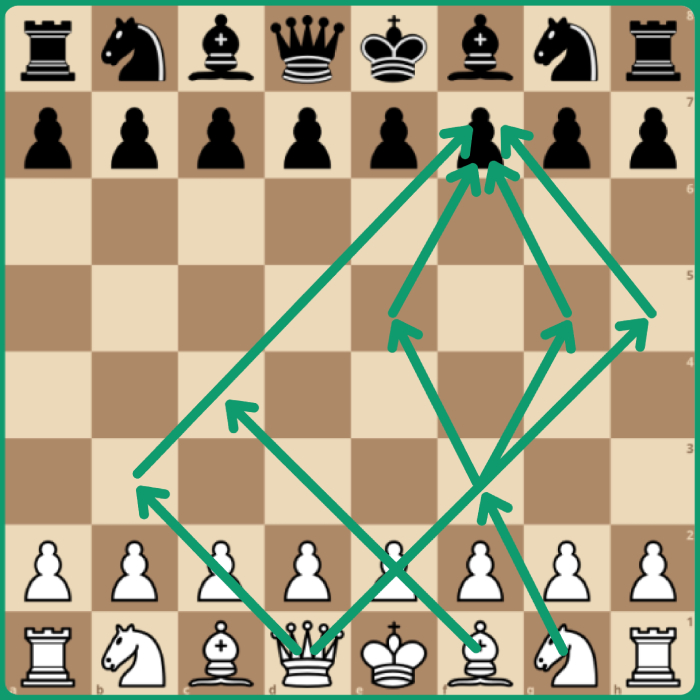

Players: 2
Why It Works: Zero luck. Perfect information.
Every piece in Chess is visible. Every move is deliberate. If you lose, it’s on you—and that’s exactly why people who hate luck love chess.
This is the gold standard for pure strategy.
Go – A Terrific Board Game for People Who Love Memorizing Sequences and Patterns


Players: 2
Why It Works: Simple rules, infinite depth.
Go has no randomness and no hidden information. The complexity comes entirely from player decisions and long-term positional thinking. Mastery takes years, not plays.
For gamenights with players who do love hidden information, check out these lovely deduction games.
Terra Mystica – A More Modern Board Game with No Drawing Cards or Rolling Dice


Players: 2–5
Why It Works: No card draws, no dice.
Once factions are chosen, everything is visible. Victory comes from spatial efficiency, timing, and reading the board—not hoping for the right card.
Mistakes are punished immediately.
Brass: Birmingham – #1 Rated Board Game as of Writing this Post


Players: 2–4
Why It Works: Tactical interaction replaces randomness.
While cards restrict actions, they don’t introduce surprise outcomes. You always know the state of the board—and your opponents can disrupt you just as much as you can disrupt them.
Planning ahead matters more than reacting to luck.
Caylus – A Super Unforgiving Board Game that Rewards Great Strategy

Players: 2–5
Why It Works: Brutally deterministic.
Caylus is famously unforgiving. There’s no randomness to save you if you misplace a worker or misjudge turn order. Every decision compounds.
Perfect for players who want full accountability.
Onitama – Amazing Simpler Version of Chess with Lots of Replay Value (Pieces Change Movement Paths Each Game)
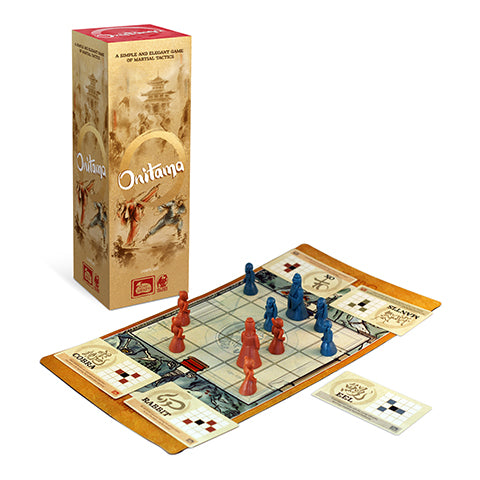

Players: 2
Why It Works: Shared information, perfect symmetry.
Players use the same movement cards, rotating them each turn. There’s no hidden information—only foresight and positional mastery.
Think chess, but faster and more approachable. One of my favorites on this list.
The Castles of Burgundy – A Highly Strategic Game that Uses Dice in a Clever Way


Players: 2–4
Why It Works: Dice mitigation, not dice dependency.
Yes, there are dice—but nearly every roll can be manipulated. Skilled players win consistently because they adapt better, not because they roll better.
A favorite for players who tolerate a little randomness but hate swingy outcomes.
What These Games Have in Common
- Minimal hidden information
- High decision density
- Predictable systems
- Strong skill expression
- Losses feel explainable
If you enjoy reviewing your mistakes after a game instead of blaming the deck or dice, these titles shine.
Final Thoughts
Luck can be fun—but for some players, it ruins the experience.
These games reward planning, foresight, and mastery, making them perfect for players who want wins and losses to feel deserved.
If that sounds like your group, start with the board games above.
bokep gay
I wish I had read this sooner!
bokep
This article came at the perfect time for me.
freelancer
this is one of the best article i read today, i enjoy reading how you structure this article, keep up the good work, my site is the best webdesign freelancer in berlin in Germany, https://webdesignfreelancerberlin.de/ you can check it out. Thank you
Philip4663
Promote our brand and get paid—enroll in our affiliate program!
Millie4982
Promote, refer, earn—join our affiliate program now!
Fernando3489
Drive sales, earn commissions—apply now!
seputar slot online
SeputarSlotOnline – Panduan & Informasi Slot Online – Media Informasi Slot Online Terupdate & Terpercaya
Clinton4529
Share our offers and watch your wallet grow—become an affiliate!
Katelyn4706
Refer friends and colleagues—get paid for every signup!
Beşiktaş Kalorifer Su Kaçağı Tespiti
Beşiktaş Kalorifer Su Kaçağı Tespiti Kırmadan tespit hizmeti çok iyi. https://shemirancenter.com//?p=5652
Beşiktaş 7/24 Su Kaçağı Tespiti
Beşiktaş 7/24 Su Kaçağı Tespiti Nokta atışı tespit yaptılar. https://igyoushu.biz/?p=248
Beşiktaş Su Kaçağı Tespiti Fiyatları
Beşiktaş Su Kaçağı Tespiti Fiyatları Beşiktaş’ın her yerine servis vermeleri harika. Arnavutköy’e bile geldiler. https://lifefulart.com/?p=1012
Leslie574
Sign up and turn your connections into cash—join our affiliate program!
Jared1987
Apply now and receive dedicated support for affiliates!
Braxton1969
Share our products, reap the rewards—apply to our affiliate program!
Elena491
Be rewarded for every click—join our affiliate program today!
Leonel3739
Turn your traffic into cash—join our affiliate program!
webdesign freelancer deutschland
i enjoy reading your article, such a great piece, keep up the good work, webdesign freelancer deutschland is the best webdesign freelacing service in Germany, you can check it out. Thank you
webdesign agenturen
i like your work, i enjoy reading your article, the best webdesign agencies in germany and the top webdesign agenturen in deutschland is our website that is ranking in germany. check it out. https://webdesignagentur.de.com/
Brooklyn Metz
Your blog is like a beacon of light in the vast expanse of the internet. Your thoughtful analysis and insightful commentary never fail to leave a lasting impression. Thank you for all that you do.
website erstellen lassen münchen
i enjoy reading your article, keep posting, i am a big fun and will continue following you, i am one of the best webdesign freelancer in München in Deutschland. https://webdesignfreelancermunchen.de/ check it out. Thank you
webdesign agentur bamberg
this is very interesting to read, i like your work, you can check the best webdesign agency in bamberg here https://websiteerstellenlassenbamberg.de/webdesign-agentur-bamberg/
webdesign münchen
i enjoy reading your article, keep posting, i am a big fun and will continue following you, i am one of the best webdesign freelancer in München in Deutschland. https://webdesignfreelancermunchen.de/ check it out. Thank you
Jesus4501
Get paid for every referral—sign up for our affiliate program now!
Sean59
Become our partner and turn clicks into cash—join the affiliate program today!
Colleen4423
Refer friends and colleagues—get paid for every signup!
Craig1870
Join our affiliate community and maximize your profits!
reinigung
this is one of the best article i have came across for very long time, i enjoy reading your article, you really have put on a lot of effort and work, gebäudereinigungberlin24.de is the best building cleaning agency in berlin
link gacor
I appreciate you sharing this blog post. link gacor Thanks Again. Cool bro
prince williams
thank your for this article, keep up the good work
james kunor
thank your for this article, keep up the good work
james kunor
thank your for this article, keep up the good work
peter larryson
thank your for this article, keep up the good work
kampungbet
I appreciate you sharing this blog post. kampungbet link gacor terbaik
ai linkbuilding tool with chatgpt
AI linkbuilding tool with chatgpt
eiffeltower paris
i really enjoy reading such a greate article, keep up the wonderful work, check out my site at eiffeltower-ticketparis.com
eiffeltower paris
i really enjoy reading such a greate article, keep up the wonderful work, check out my site at eiffeltower-ticketparis.com
ai linkbuilding tool with chatgpt
AI linkbuilding tool with chatgpt
ai linkbuilding tool with chatgpt
AI linkbuilding tool with chatgpt
ai linkbuilding tool with chatgpt
AI linkbuilding tool with chatgpt
ai linkbuilding tool with chatgpt
AI linkbuilding tool with chatgpt
ai linkbuilding tool with chatgpt
AI linkbuilding tool with chatgpt
ai linkbuilding tool with chatgpt
AI linkbuilding tool with chatgpt
sexe live gratuit
Great article, i really enjoy reading it, i hope you post more, keep up the good wok , froompo.com is gona come follow you for more , nice reading it.
chat video xxx
Great article, i really enjoy reading it, i hope you post more, keep up the good wok , froompo.com is gona come follow you for more , nice reading it.
sexe live gratuit
Great article, i really enjoy reading it, i hope you post more, keep up the good wok , https://fr.frompo.com/ is gona come follow you for more , nice reading it.
sexe live gratuit
Great article, i really enjoy reading it, i hope you post more, keep up the good wok , https://fr.frompo.com/ is gona come follow you for more , nice reading it.
chat video xxx
Great article, i really enjoy reading it, i hope you post more, keep up the good wok , https://fr.frompo.com/ is gona come follow you for more , nice reading it.
fr.frompo.com
Great article, i really enjoy reading it, i hope you post more, keep up the good wok , https://fr.frompo.com/ is gona come follow you for more , nice reading it.
Haiden654
Start profiting from your traffic—sign up today!